


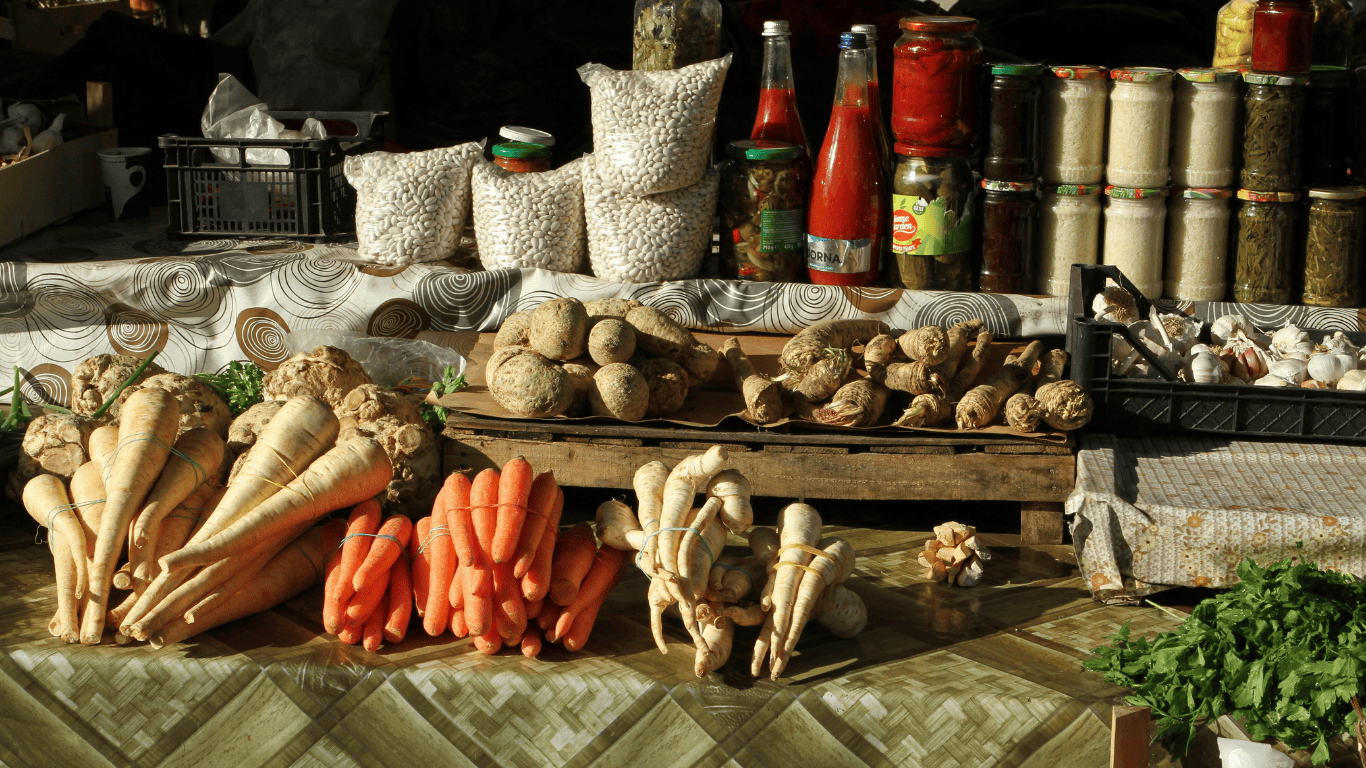


Food: The Foundation of a Living Economy
Nourishing our bodies and our communities through local self-reliance.
Why Local Food?
Primary food production is the bedrock of our exchange economy. By choosing locally grown food, we build resilience against global disruptions, reduce food miles, and foster direct relationships with the people who care for our soil and watersheds.
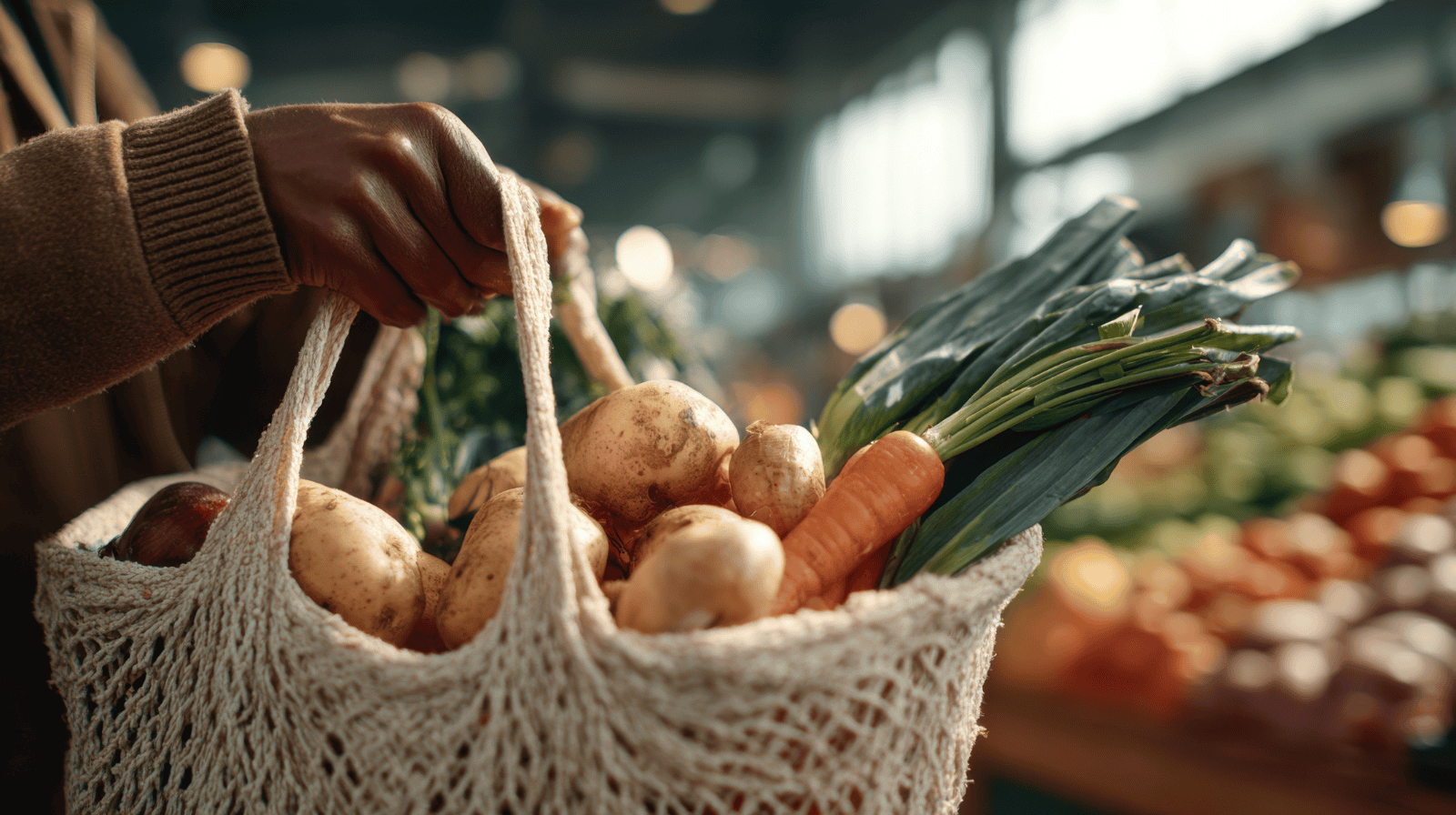
Local Local Food Impact

Accountability
Direct farmer-to-consumer relationships ensure higher food quality and quicker feedback loops..

Community Resilience
Local systems protect us from transportation breakdowns and global price hikes.

Environmental Impact
-
Shorter supply chains mean fewer transport miles and a lower carbon footprint. Local production balances our needs with available local resources.
Investing in Regenerative Farming
Community-Supported Agriculture (CSA)
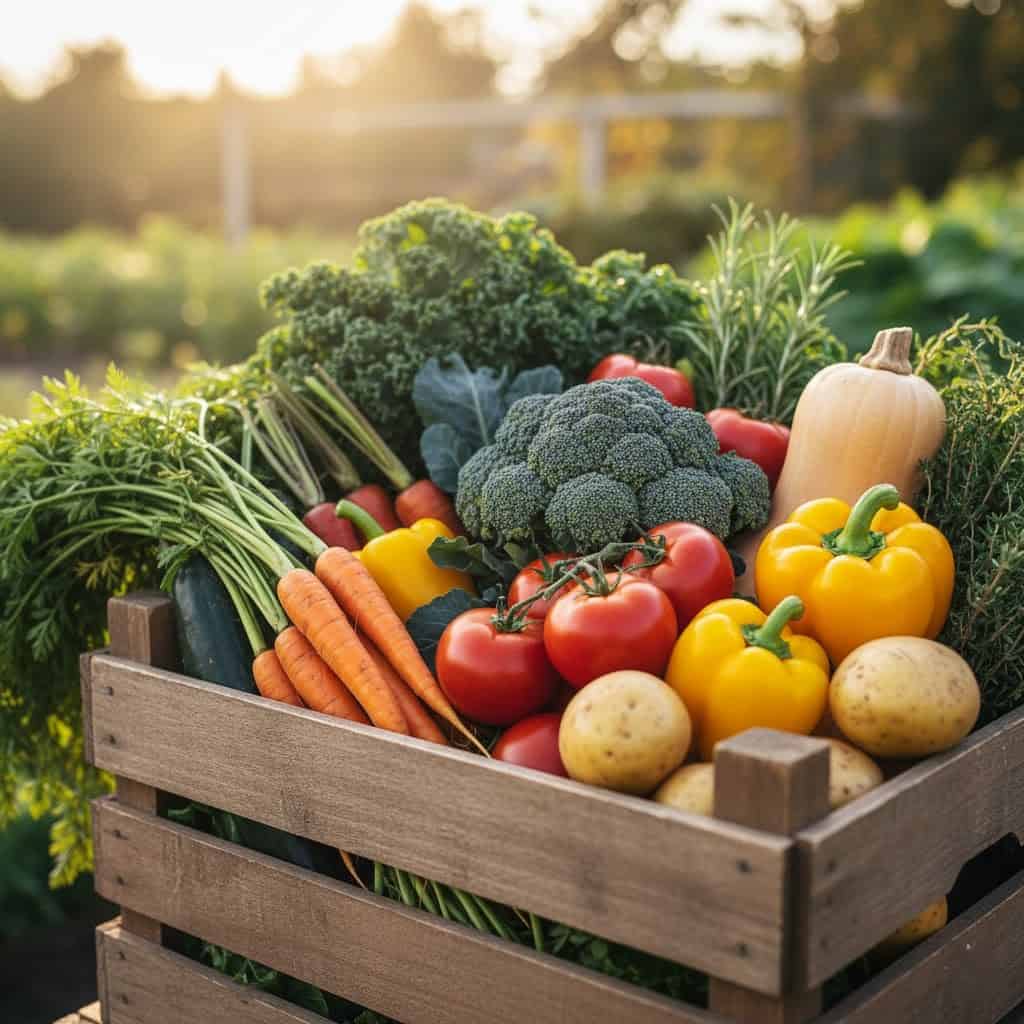
CSAs offer a powerful way to support local growers. By becoming a seasonal subscriber, you provide farmers with a dedicated income that insulates them from the risk of crop failure.
Biodiversity
Because subscribers need variety, CSA farms are naturally more biodiverse.
Connection
Eaters are invited to visit "their" farm, becoming true partners in sustainable land stewardship.
A few CSAs in We know of in New Zealand:
Golden Bay, South Island
Amberley, South Island
Greytown, North Island
Land Sharing: Cultivating Community Spaces
Land Sharing: Connecting People with the Earth
Transforming underused plots into vibrant, productive food gardens.
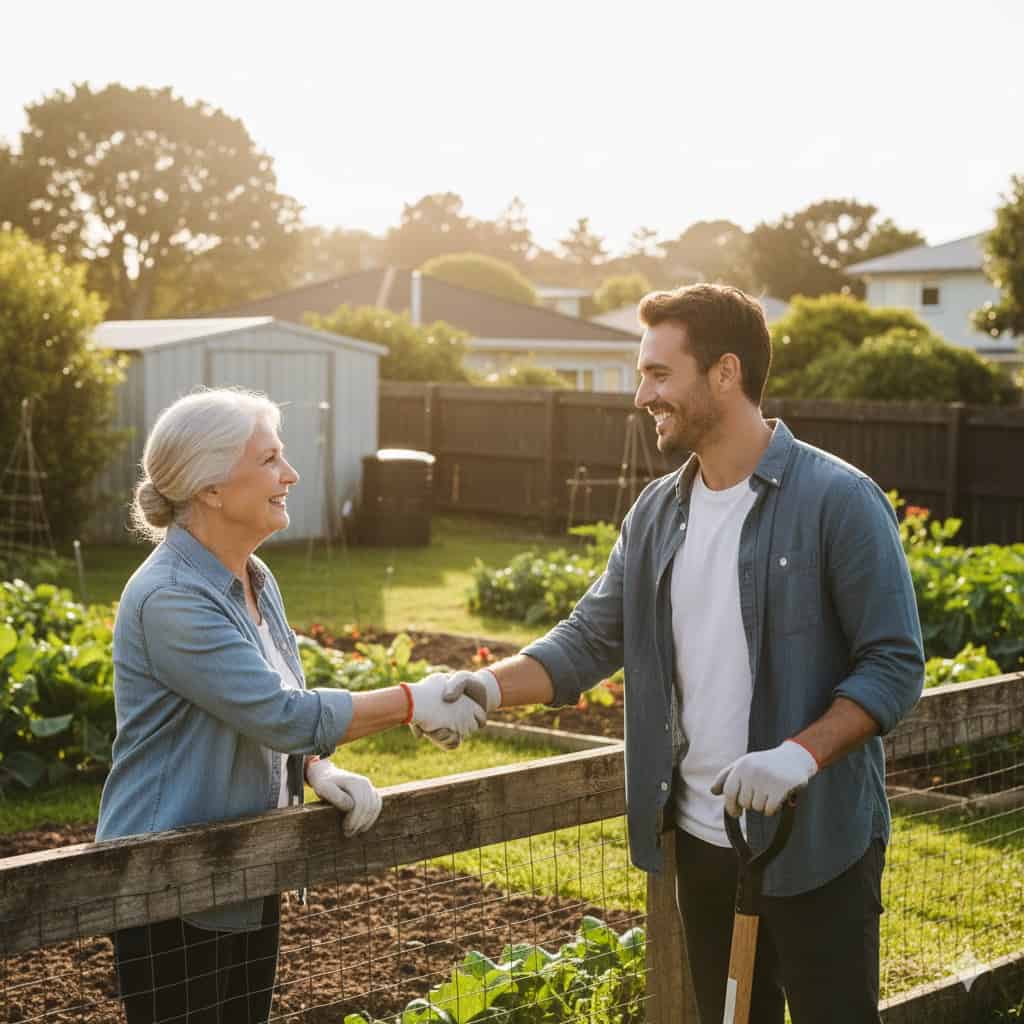
Land Sharing creates a bridge between those who have land and those who have a passion for growing. By connecting underused backyards or urban plots with eager growers, we turn private spaces into community assets that promote food security and sustainable living.
How Land Sharing Works
For Landowners:
Seniors or busy homeowners can receive help maintaining their outdoor spaces while enjoying a share of fresh, homegrown produce.
For Gardeners:
Renters or apartment dwellers who lack space can finally get their hands in the dirt and cultivate their own food.
For the Community:
This model strengthens local bonds, reduces food waste, and transforms our neighbourhoods into edible landscapes.
Land Sharing in action
Raglan Whāingaroa
An Article in the Ecologist
Beyond the Supermarket: Creative Local Markets
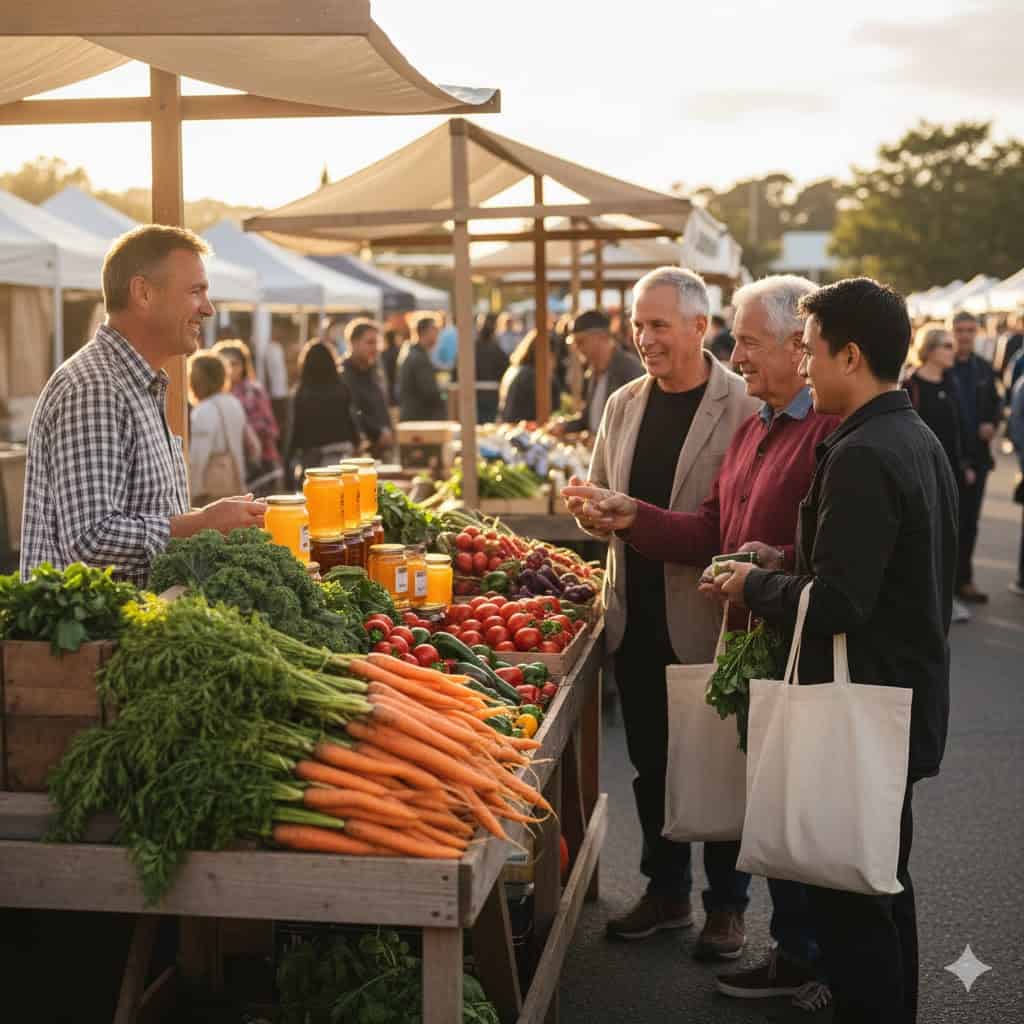
Pop-Up Farmers' Markets
We advocate for the model promoted by Farmers’ Markets New Zealand. This membership-based approach ensures that the market remains a true food hub by following three core principles:
Authentic Food Focus
Only food, plants, and flowers are sold—keeping the focus on nourishment rather than crafts or bric-a-brac.
Locally Defined
Every product is grown and produced within a clearly defined local area to minimize food miles.
Direct from the Source
No on-selling. Vendors must be directly involved in the growing or production process.
Straight-to-Doorstep Delivery For those seeking convenience without compromising values, box delivery systems like Ooooby offer a creative cooperative solution. These intermediaries provide a stable market for multiple local farms, delivering fresh, seasonal produce directly to subscribers’ doorsteps..
Home-Grown Solutions
Starting Where You Are
You don't need a farm to be part of the food revolution. Local food begins at home and among neighbors.

Home & Community Gardening
Reclaiming our backyards and shared spaces to grow our own sustenance.

Seed Sovereignty
Engaging in seed saving, swaps, and libraries to ensure local crop resilience for generations to come.

Community Gleaning
Reducing waste by sharing tables and organising the gleaning of surplus fruit and vegetables.

Crop Swap: Share the Abundance
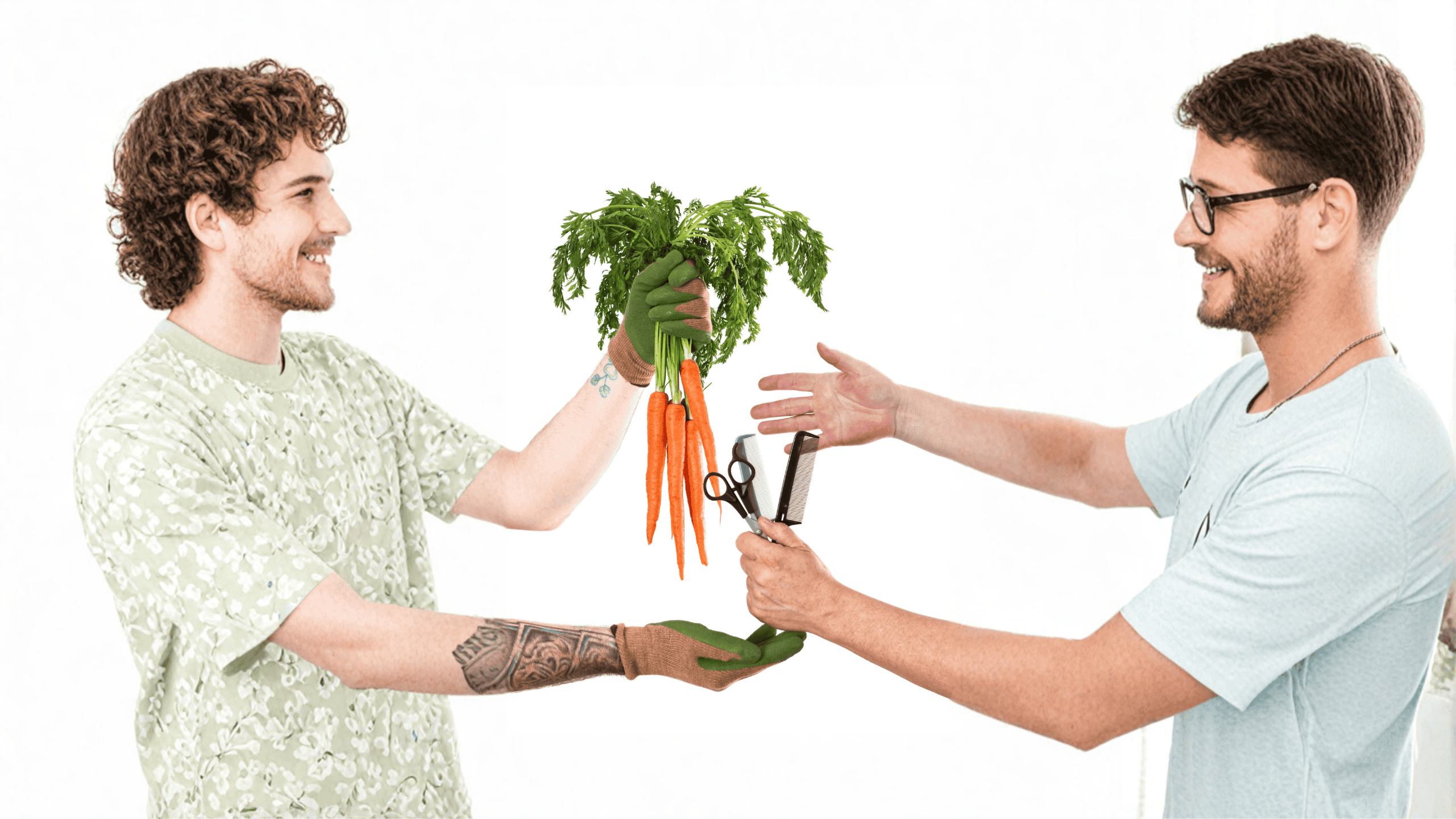
Bring your surplus garden harvests, kitchen creations, or labeled seedlings to a community exchange. Everyone contributes what they can and takes home a little of everything.