











It’s coming at me from all directions these days. Various economists, and now the Honest Sorcerer in his latest post, seem to be reaching for the language of collapse.
The Economists Worrying Me
Discussions around the global economic collapse are becoming increasingly urgent in academic and public spheres.
Steve Keen links the war to a supply shock, falling stock markets, rising gold, and a possible collapse in oil markets and broader financial stability, warning of the potential for a global economic collapse. The furthest claim is the “biggest economic collapse the modern world has ever seen,” though even that appears in a video framing and is paired with a caveat about whether the war widens dramatically.
Yanis Varoufakis warns of a global financial crisis and says the war could “devastate the world economy and throw it into crisis.” Simon Hunt goes further still, talking about a “global recession until 2028” and “complete financial turmoil.”
Why This Feels More Serious

The problem is that, as Richard Heinberg pointed out recently, today’s AI financial bubble is said to be four times bigger than the subprime mortgage bubble of 2008 and 17 times bigger than the dot-com bubble of 2000.
I have been following The Great Simplification with Nate Hagens, reading collapse literature, and I even started a Degrowth group in 2022. We used to talk about degrowth by design and degrowth by disaster. What we are seeing now is very much the latter, and it is unfolding at speed.
Why Localisation Matters

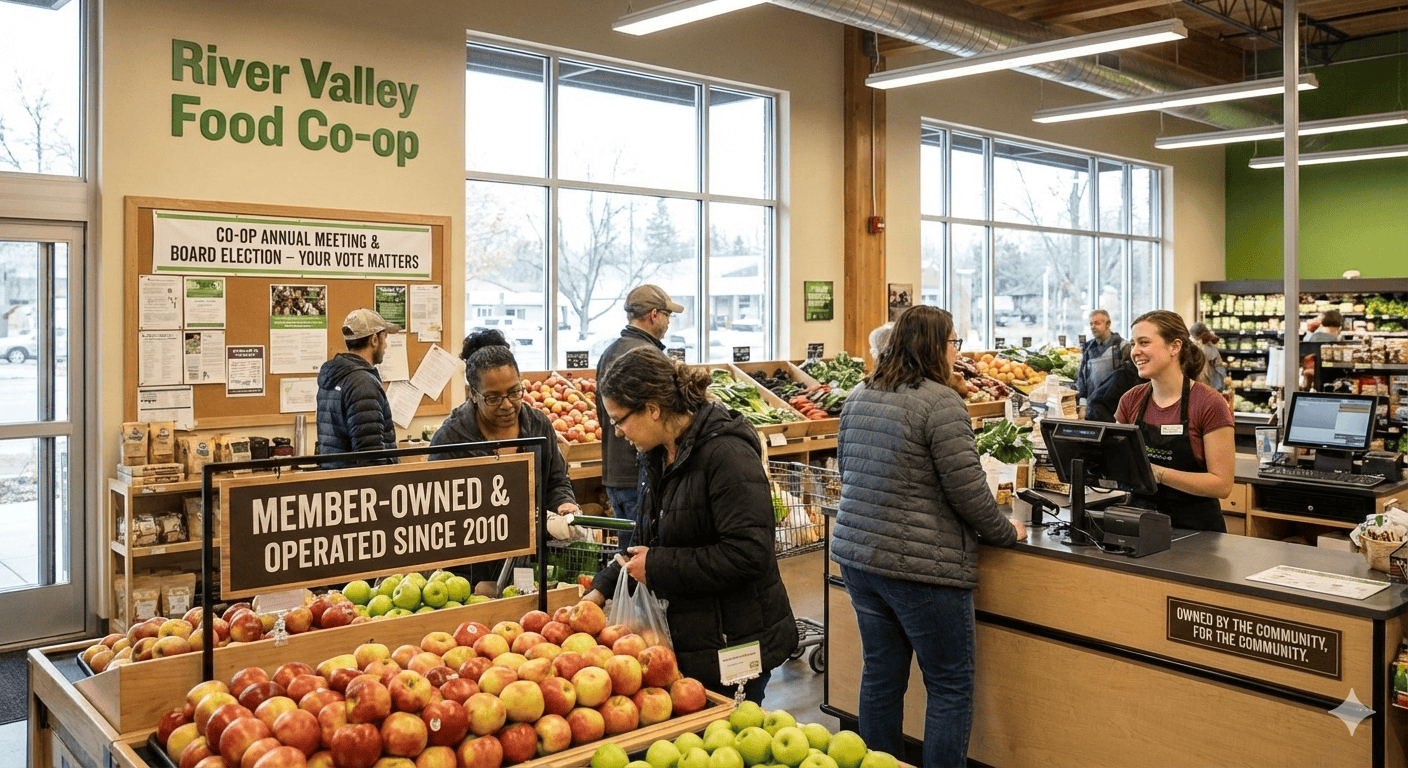
Those of us who understand peak oil also understand the inevitability of re-localisation. That is where the Living Economies Educational Trust has an important contribution to make, because we will need local and regional currencies as well as local banks.

A Short Summary of the Honest Sorcerer
Before going further, let me give a short ChatGPT summary of the Honest Sorcerer’s 28 March 2026 article. It is mild.
The Energy Crisis
The article argues that the Iran war has triggered an immediate and severe global energy crisis, especially across Asia. With oil flows disrupted, particularly from the Gulf, many countries are already facing shortages of fuel rather than just higher prices. Governments are responding with emergency measures such as shorter work weeks, remote working, fuel rationing, and the release of strategic reserves, which shows how quickly the situation has escalated.

Shortages Spreading Through Daily Life
It describes how fuel shortages are cascading through everyday life. In several countries, petrol stations are running dry, transport systems are strained, and essential sectors such as agriculture are being hit hard. Farmers lack diesel, food production is disrupted, and in some places people are turning back to wood and coal for cooking. These shortages are already triggering strikes, economic slowdowns, and migration away from cities as basic energy access becomes unreliable.

Governments in a Trap
A central argument is that governments are trapped in a no-win situation. If they subsidise fuel to keep prices low, they risk worsening shortages and blowing out budgets. If they allow prices to rise, they risk social unrest and economic collapse. The article argues that this dilemma, combined with inflation and supply disruption, could destabilise entire regions regardless of how long the war lasts.
LNG and Supply Chains
The crisis extends beyond oil into liquefied natural gas, where supply chains are even more fragile. Many countries, especially poorer ones, depend heavily on imports and have little storage capacity. As shipments falter and prices spike, some nations are already running out of gas entirely, forcing shutdowns of industry and services. Wealthier countries can outbid poorer ones, so the burden of shortages will fall unevenly across the world.
Knock-On Effects
The article also highlights less obvious knock-on effects, such as shortages of petrochemical feedstocks like naphtha, which is essential for plastics. Countries such as Japan, heavily dependent on Middle Eastern imports, are facing rapidly shrinking reserves. That threatens manufacturing supply chains globally, since plastics underpin countless industries. Even small disruptions could ripple across interconnected just-in-time production systems and cause widespread industrial breakdowns.

The Bigger Thesis
Overall, the author’s thesis is that the Iran war is not just a regional conflict but a systemic shock to the globalised economy. It exposes deep dependence on fossil fuel flows and fragile supply chains, accelerating economic contraction and potentially triggering broader social instability. The piece frames the crisis as an early stage of a larger breakdown in global industrial systems rather than a temporary disruption.
The Conclusion
But let me quote from the Honest Sorcerer’s conclusion.
“As things stand today, we are headed towards an economic depression comparable in scale and longevity to that of the 1930s. Business failures, foreclosures, and unemployment are almost guaranteed to rise at this point, and GDP will fall far steeper than what the present subdued, manipulated oil prices and forecasts might suggest. A major reset, too, seems to be unavoidable. Living standards across the globe will continue to fall. It won’t happen overnight though. It will take years if not decades. Or it might never come about at all.

One thing is sure: economies will have to relocalise and simplify by a lot. International trade will decline. People will have less gadgets, less clothes, and less food to choose from — if they have a choice at all.”


0 Comments